Bathroom Decor: Elevate Your Space with Style
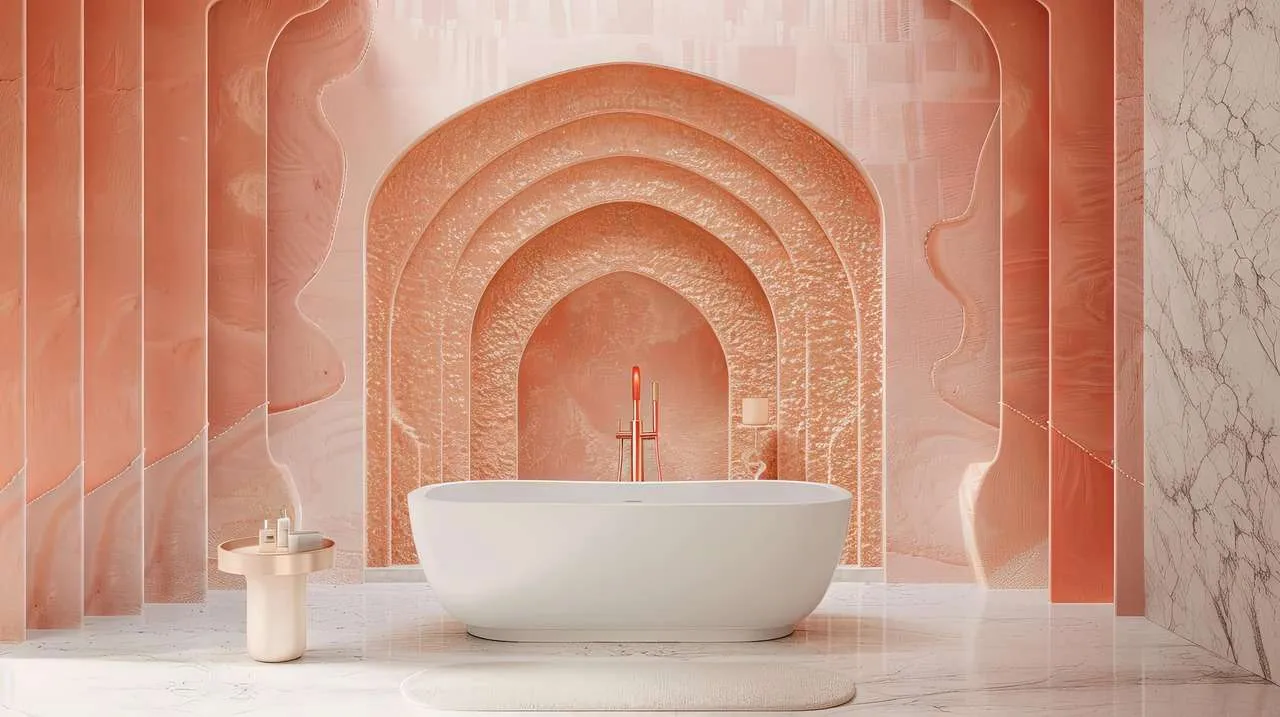
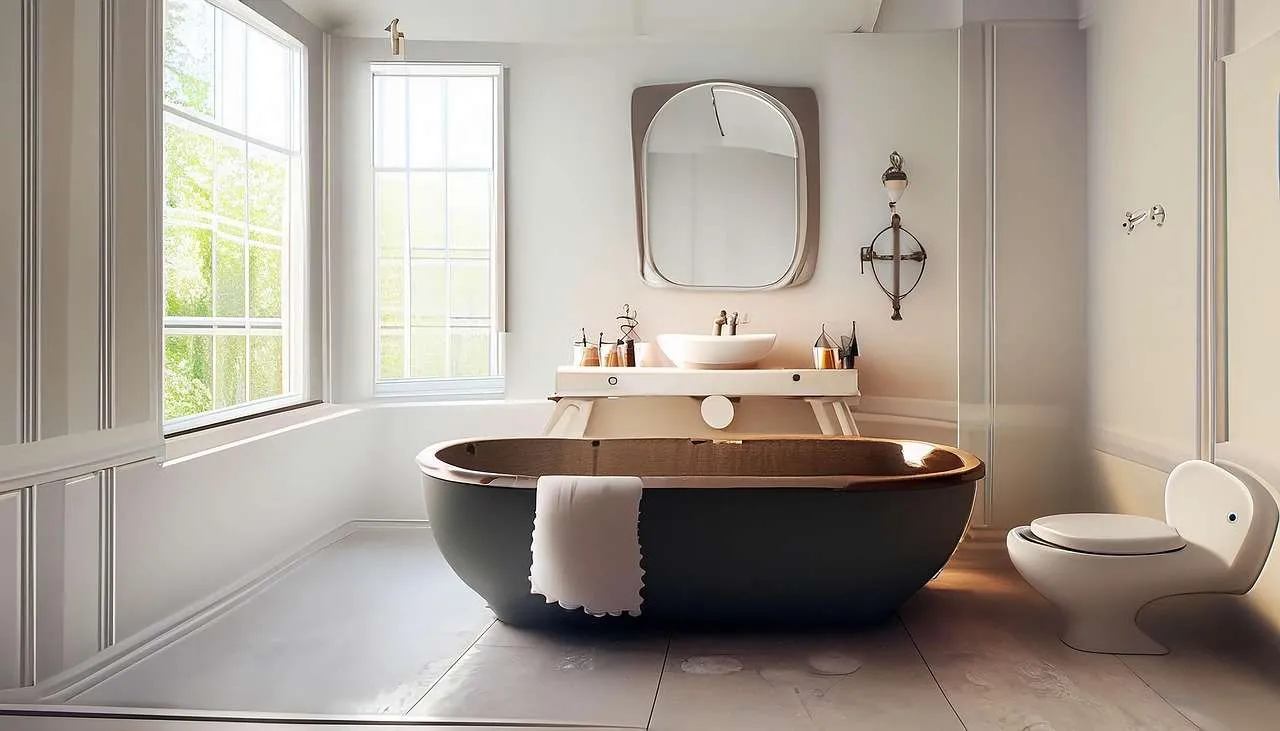
Decorating a bathroom can transform a daily routine into a spa-like experience. The right bathroom decor combines color, texture, lighting, and smart storage to create a space that looks cohesive and feels inviting. In this guide, we share expert insights on selecting palettes, materials, fixtures, and organizational strategies that stand the test of time while still reflecting personal style.
Foundations of Bathroom Decor
A successful bathroom decor plan starts with a clear concept. Consider the room's size, natural light, and plumbing layout. For smaller spaces, prioritize light colors, maximal mirrors, and multi-functional fixtures. For larger baths, you can experiment with bolder accents while keeping a consistent design language. An expert approach includes choosing a unifying material or finish that appears across fixtures, cabinetry, and textiles to anchor the space and prevent visual chaos.
Color Palettes and Materials
Color drives mood. Soft neutrals like warm whites, greiges, and stone tones create timeless baselines, while accent colors such as navy, sage, or charcoal render interest without overwhelming. When selecting materials, mix durability with texture: porcelain or ceramic tiles, quartz countertops, and solid-surface shower walls offer longevity and ease of maintenance. Add tactile variety with woven towels, linen robes, or a natural stone soap dish. A general rule is to limit the main color to two to three shades and use texture and accessories to add depth.
Fixtures, Storage, and Layout
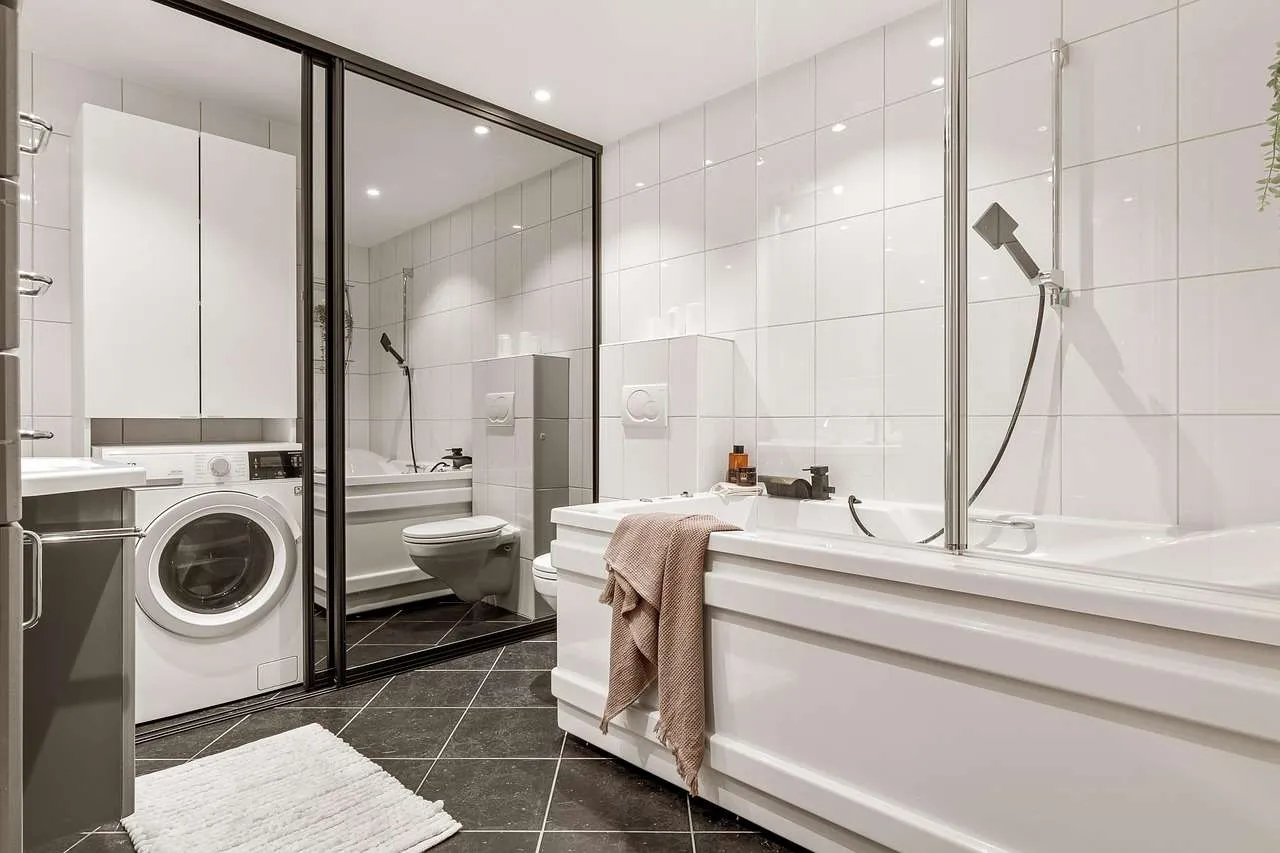
Quality fixtures elevate bathroom decor. Choose water-saving faucets and rain-showers in finishes that match the hardware on cabinetry. Built-in storage helps maintain a clean look; consider recessed niches for shower products, medicine cabinets, and tall, slim storage towers for towels. When planning layout, ensure adequate clearance around the toilet and shower and maintain a logical flow between vanity, shower, and storage. A cohesive layout reduces clutter and makes daily routines more efficient.
Lighting and Mirrors
Layered lighting is essential. Combine ambient overhead light with task lighting near the vanity and a dimmable option for ambiance. Mirrors should reflect the available light and visually expand the room; consider a large frameless mirror or a pair of framed mirrors that complement the hardware. Don’t overlook accent lighting for display shelves or tile inset features.
Textiles and Accessories
Textiles bring warmth and softness to bathroom decor. Choose towels, rugs, and shower curtains in coordinated palettes. Accessories like soap dispensers, toothbrush holders, and decorative trays should match the metal finish used elsewhere. For a polished finish, keep accessories minimal and deploy negative space to avoid a crowded feel.
Budgeting, Maintenance, and Planning
A practical decor plan aligns aesthetics with budget. Start by prioritizing high-impact investments such as a vanity, shower enclosure, or tile work. Decide on a durable finish for hardware and avoid trend-heavy items that may require replacement. Regular maintenance extends the life of your decor: seal grout annually, wipe fixtures, and launder textiles according to care labels. A simple color scheme helps reduce ongoing refresh costs while maintaining a fresh look.
Comparison of Design Styles
| Style | Key Features | Best For |
|---|---|---|
| Minimalist | Clean lines, neutral palette, hidden storage | Smaller spaces, low maintenance |
| Rustic | Natural wood, warm textures, matte metals | Cozy retreats, organic feel |
| Modern | Sleek surfaces, bold accents, geometric shapes | Contemporary homes, high contrast |
| Traditional | Classic fixtures, timeless tile patterns | Timeless elegance, resale appeal |
Each style can be tailored with color and texture to suit personal taste while maintaining a cohesive look across the space. The table above provides a quick reference to align decor decisions with room dimensions and lifestyle needs.
When executing a bathroom decor plan, consider professional input for complex renovations. An interior designer or bathroom specialist can help select durable materials, ensure proper waterproofing, and optimize layout for accessibility and resale value. Proper installation and periodic checks on caulking, venting, and tile integrity help sustain both aesthetics and function.
Summary: This guide covered essential elements of bathroom decor, including color fundamentals, material choices, fixture selection, storage planning, lighting, budgeting, and style comparisons. By aligning design with space, maintenance, and personal taste, you can create a stylish, durable, and inviting bathroom.